
 Esperanto
 Shqiptare
 Euskara
 Zulu
Zulu
 Latinus
 Cymraeg
 தமிழ்
தமிழ்
 Slovak
 Slovak
 Afrikaans

NEWS
Zhejiang Baolun New Material Technology Co.,Ltd.
02
2023
-
09
Preserve Food the Natural Way: Anaerobic Fermentation Bags - A Comprehensive Guide
Author:
Table of Contents:
1. Introduction: The Power of Anaerobic Fermentation
2. The Basics of Anaerobic Fermentation Bags
3. Benefits of Using Anaerobic Fermentation Bags
4. Step-by-Step Guide: Creating Your Anaerobic Fermentation Bag
5. Troubleshooting Common Issues
6. Storage and Shelf Life of Fermented Foods
7. Frequently Asked Questions (FAQs)
8. Conclusion
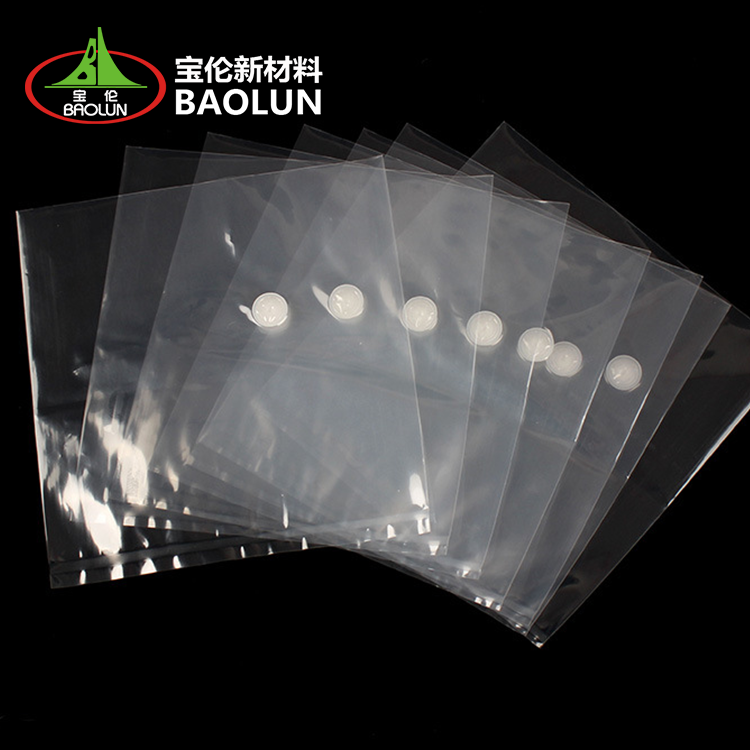
1. Introduction: The Power of Anaerobic Fermentation
Preserving food has been an essential practice throughout human history. It allows us to enjoy seasonal produce year-round and reduces waste. One remarkable method that has gained popularity in recent years is anaerobic fermentation. Unlike traditional preservation techniques, anaerobic fermentation bags require minimal effort and offer outstanding results. In this guide, we will explore how to preserve food naturally using anaerobic fermentation bags and unleash the full potential of this ancient preservation method.
2. The Basics of Anaerobic Fermentation Bags
Anaerobic fermentation bags, also known as anaerobic fermenters, are specialized containers designed to create an oxygen-free environment for the fermentation process. These bags are made from food-grade materials, ensuring the safety and quality of the preserved food. The absence of oxygen within the bags promotes the growth of beneficial bacteria, which convert sugars and carbohydrates in the food into preservative substances like lactic acid.
3. Benefits of Using Anaerobic Fermentation Bags
Using anaerobic fermentation bags offers several advantages over other preservation methods. Firstly, it allows for the preservation of food without the need for chemical additives or preservatives, making it a natural and wholesome way to store food. Secondly, anaerobic fermentation enhances the nutritional value of the preserved food by increasing the bioavailability of vitamins and minerals. Lastly, anaerobic fermentation bags are convenient, as they require minimal maintenance and can be easily stored in any kitchen.
4. Step-by-Step Guide: Creating Your Anaerobic Fermentation Bag
Creating your anaerobic fermentation bag is a simple process that requires a few key ingredients and equipment. Follow these steps to get started:
4.1 Gather the necessary materials:
- Food-grade plastic bag or container
- Fresh vegetables or fruits for fermentation
- Salt or other fermentation starter cultures
4.2 Preparing the vegetables or fruits:
- Wash and cut the produce into desired sizes
- Sprinkle salt or fermentation starter cultures on the vegetables or fruits
4.3 Packing the bag:
- Transfer the prepared vegetables or fruits into the anaerobic fermentation bag
- Press down to remove any air pockets
4.4 Sealing the bag:
- Squeeze out excess air
- Seal the bag tightly to create an airtight environment
4.5 Fermentation process:
- Store the bag in a cool, dark place
- Allow the fermentation process to occur over the recommended time period, usually a few days to a few weeks
5. Troubleshooting Common Issues
While anaerobic fermentation is a straightforward process, some common issues may arise. Here are a few troubleshooting tips to help you overcome them:
5.1 Mold growth:
- Mold growth can occur if the vegetables or fruits were not properly cleaned or if the bag was not sealed tightly enough. To prevent mold, ensure thorough cleaning and airtight sealing.
5.2 Off-putting odor:
- A strong or unpleasant odor may indicate that the fermentation process went wrong. Check for signs of spoilage or improper sealing. If the food appears spoiled, discard it.
6. Storage and Shelf Life of Fermented Foods
Proper storage is crucial for maintaining the freshness and quality of fermented foods. Once the fermentation process is complete, transfer the food to airtight containers and refrigerate to slow down further fermentation. Fermented foods stored in the refrigerator can last for several months, if not longer. It's important to note that the taste and texture of fermented foods may change over time, but they are generally safe to consume as long as no signs of spoilage are present.
7. Frequently Asked Questions (FAQs)
Q1: Can I reuse the anaerobic fermentation bags?
Q2: Which vegetables or fruits are best for anaerobic fermentation?
Q3: Can I adjust the salt content in my fermented foods?
Q4: How do I know if my fermented food has gone bad?
Q5: Are there any risks associated with anaerobic fermentation?
8. Conclusion
Preserving food the natural way through anaerobic fermentation bags is a rewarding and sustainable practice. By harnessing the power of beneficial bacteria, we can create delicious and nutrient-rich preserved foods. Remember to follow the step-by-step guide, troubleshoot common issues, and store your fermented creations properly for maximum enjoyment. Embrace the art of anaerobic fermentation and explore a world of flavors that will tantalize your taste buds and extend the lifespan of your favorite produce.
Related news
GET THE LATEST INFORMATION OF THE COMPANY
We will recommend suitable products and reasonable prices to you
PROFESSIONAL MANUFACTURER OF FLEXIBLE FOOD PACKAGING FILMS & BAGS
Contact Us
Attn:Michelle Wong / lvy Huang
TEL:+86-577-6809-2116
Mobile:+86-18058871398 / +86-15858592829
E-MAIL:michelle@zjbaolun.com
huangxiaoqing@zjbaolun.com
WeChat/Whatsapp:+86-18058871398
ADD:455# hualian Road,Lingxi Town, Wenzhou City, Zhejiang Province China ,325800
Quick Navigation
Message
Get latest updates and offers.